
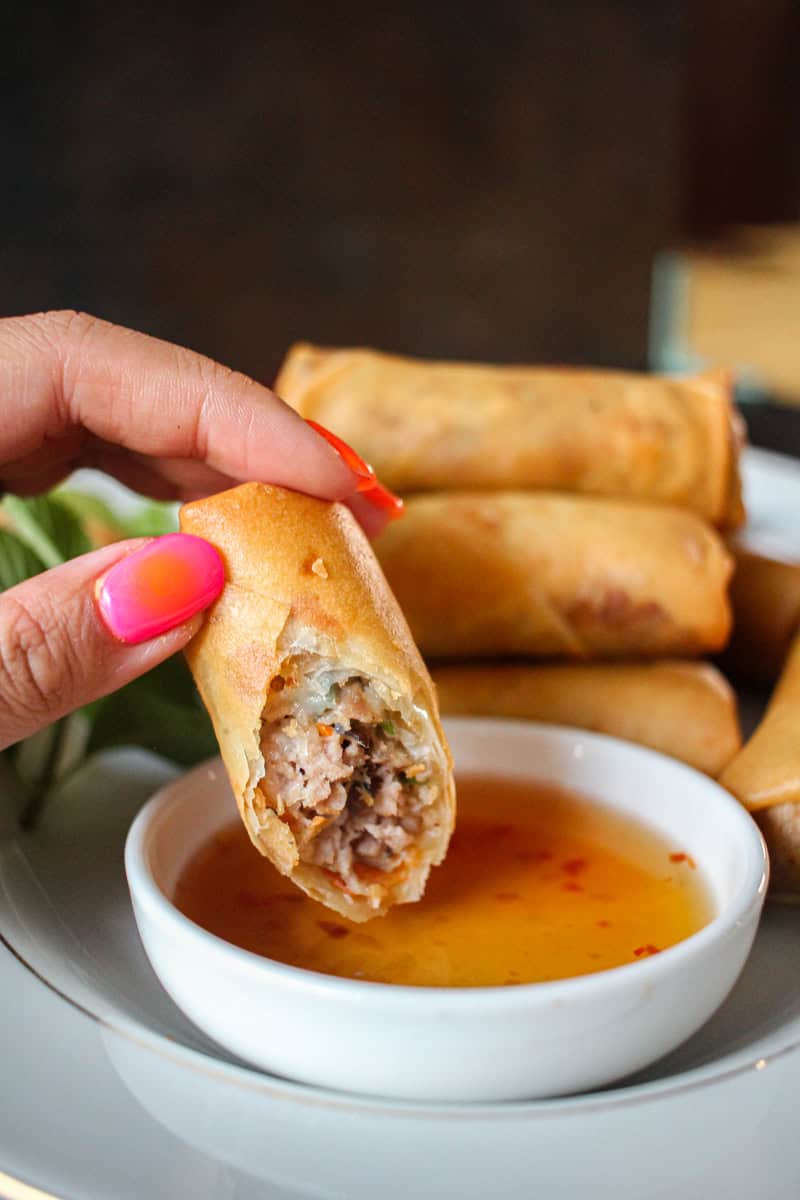
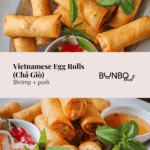
Vietnamese egg rolls, or chả giò, are such a versatile dish. Fry up a few as an appetizer, or fry up a bunch to top cold noodle bowls (bún chả giò) for a whole meal. Whatever you do, make sure to cook extra — and don't forget the nước mắm pha for dipping! My recipe makes 100 egg rolls. It's a labor of love, so you'll want to make a lot so you can freeze and enjoy them for a good long while.
Chả giò name variations
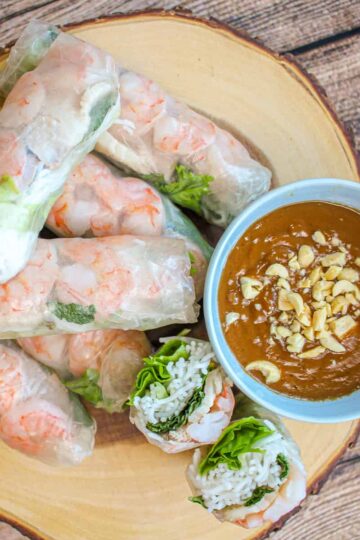
This dish goes by several names, both in English and Vietnamese. I call them chả giò, but in the Northern Vietnamese dialect, they're called nem rán. On English menus, you might know them as spring rolls. I always grew up calling these egg rolls. In my family, spring rolls referred to the fresh gỏi cuốn, which some Americans call summer rolls or salad rolls. My family never used either term. Though the language can get confusing, I think we can all agree that chả giò is delicious!
Essential ingredients for chả giò filling
Chả giò are typically filled with ground pork and shrimp. Some recipes will use only ground meat, and some may add crab to make them extra fancy. I don't like the oceanic taste that the crab gives to the egg rolls, and I find that rolls using only ground pork tend to be dry and dense.
Ground jicama and carrot are common vegetables used in the meat mixture. My recipe adds taro for a soft, plush filling.
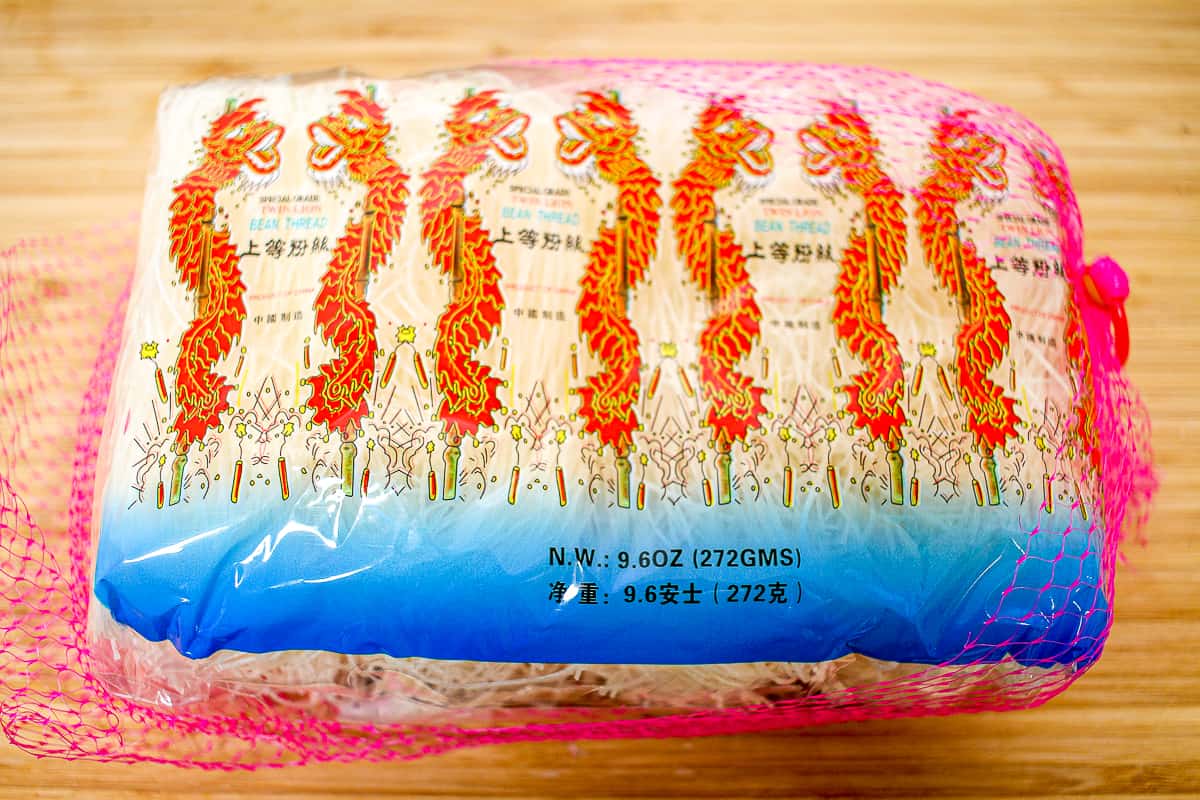
The last two ingredients you'll find in most chả giò recipes are wood ear mushroom and thin noodles called miến. In English, you might see them labeled as cellophane noodles, glass noodles or mung bean thread or bean thread noodles. They are very fine. Both the mushrooms and the noodles need to be rehydrated in hot water before you can use them. I like this brand in the pink net packaging.
There are a lot of ingredients in these egg rolls, but don't get intimidated! Take each ingredient step-by-step. My recipe makes a lot of egg rolls, and they freeze really well, so you won't have to make them often.
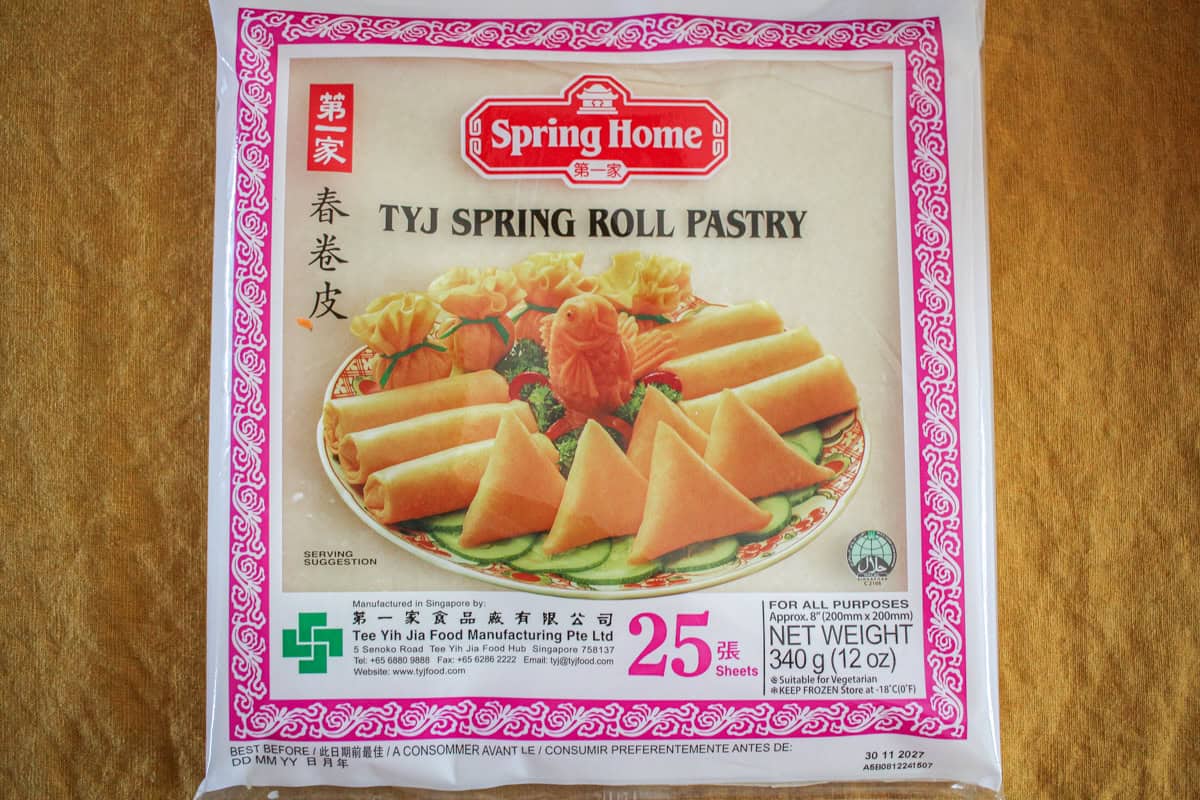
My version of chả giò uses wheat wrappers, which are usually used for Filipino lumpia. Traditionally, Vietnamese egg rolls are wrapped in rice paper. I grew up with wheat-wrapped egg rolls. These stay crispy longer than the rice paper-wrapped ones, and you don't have to soak the wrappers before you use them. I use the 8"x8" Spring Home brand wrapper, and so did my mom.
Jump to:
Ingredients
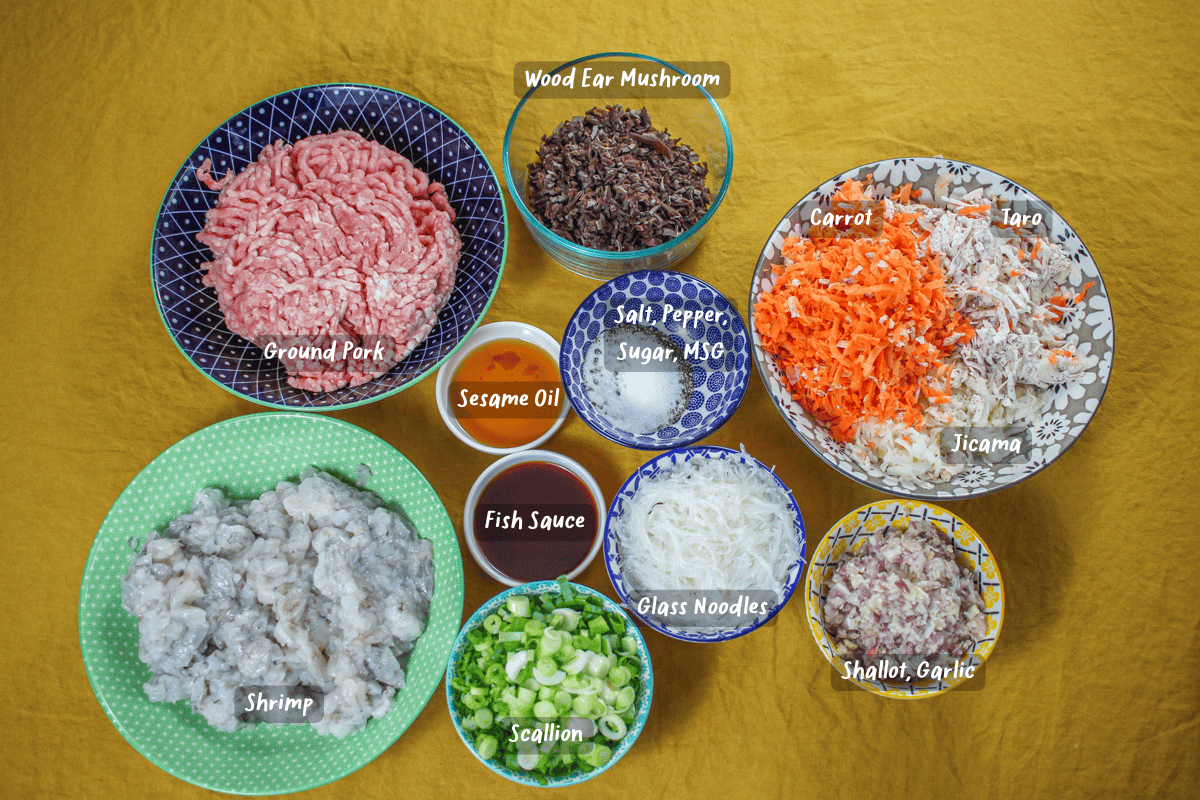
You will need:
- ground pork
- minced shrimp
- wood ear mushroom
- glass noodles
- carrot
- taro
- jicama
- scallion
- minced shallot and garlic
- sugar
- salt
- pepper
- sesame oil
- fish sauce
- msg
- corn starch
- egg
See recipe card for quantities.
🔪 Making the chả giò filling
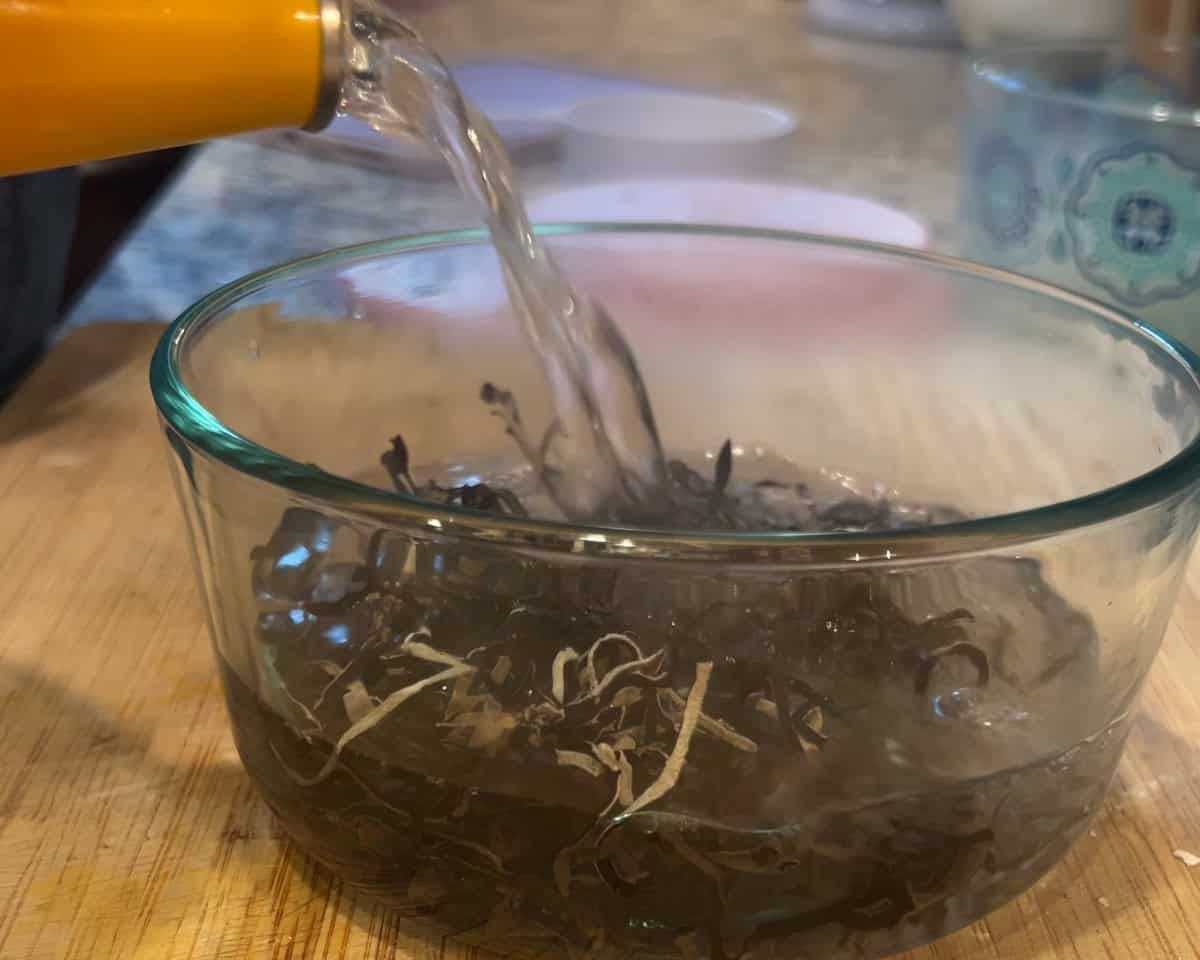
Step 1: Rehydrate the wood ear mushroom and glass noodles in bowls of hot or boiling water for a few minutes, until softened. Drain them and mince finely.
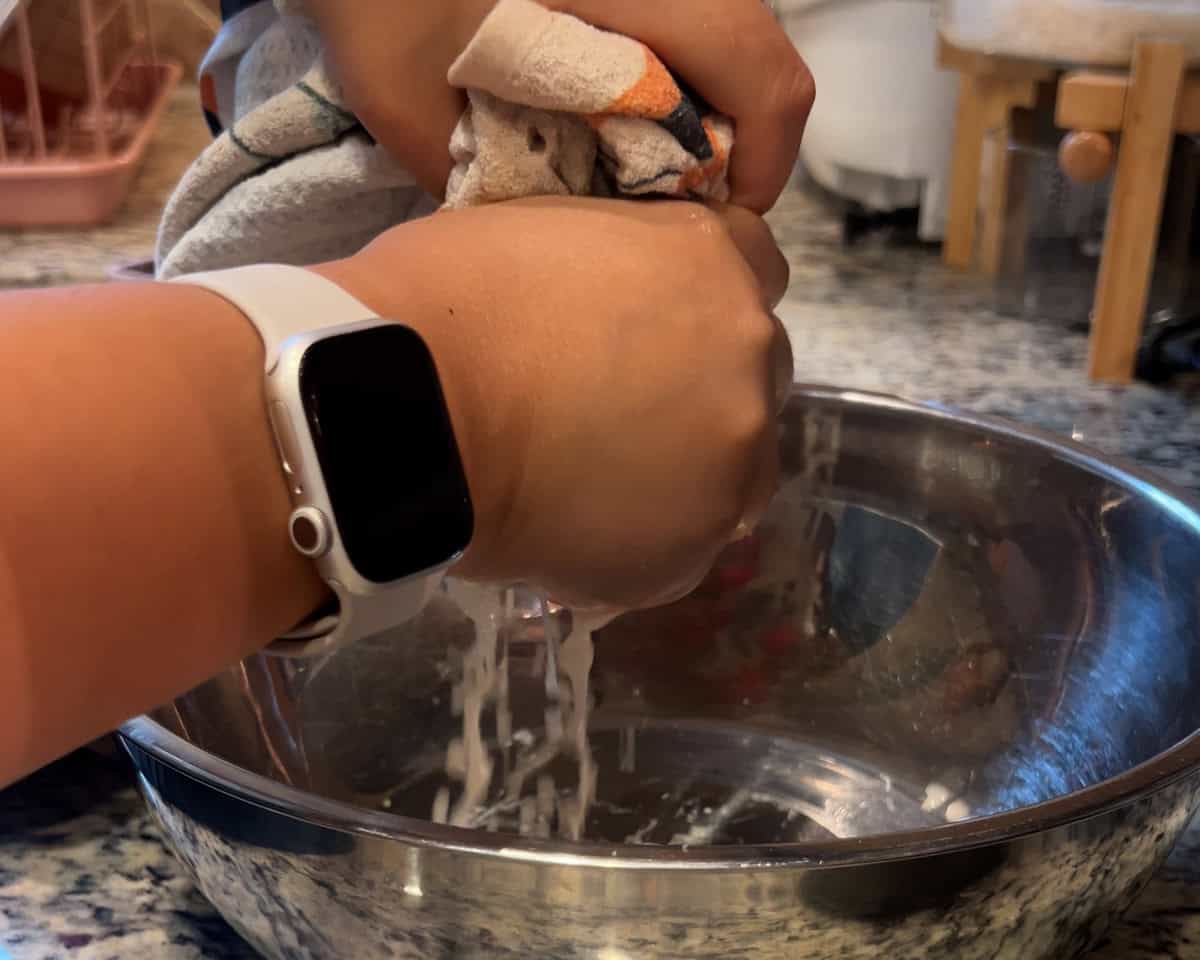
Step 2: Peel and shred the jicama. Add it to a cloth towel and wring out as much moisture as you can. Do the same for the carrot. Then shred the taro, but don't wring it out.
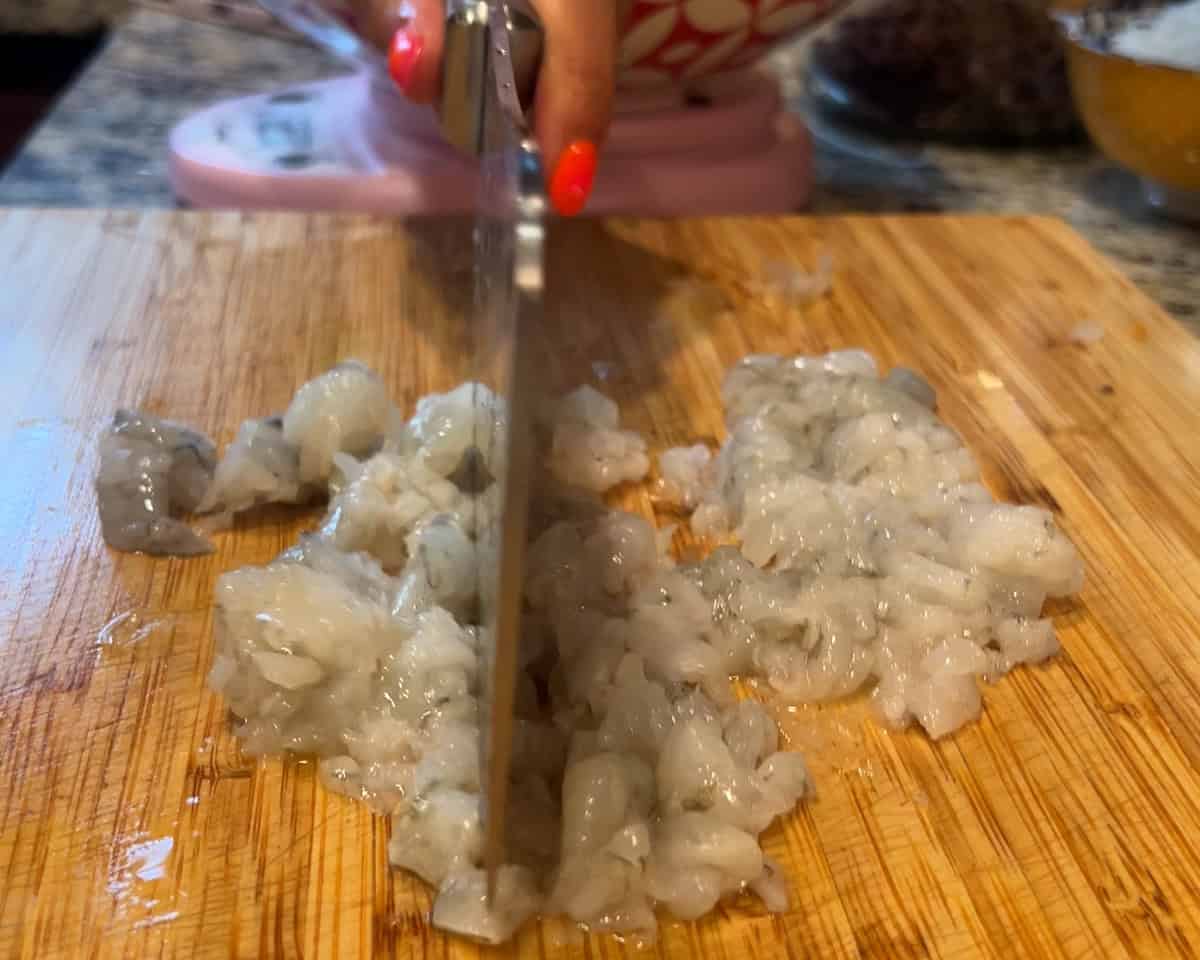
Step 3: Squish the shrimp with your hands and mince it finely into a coarse paste.
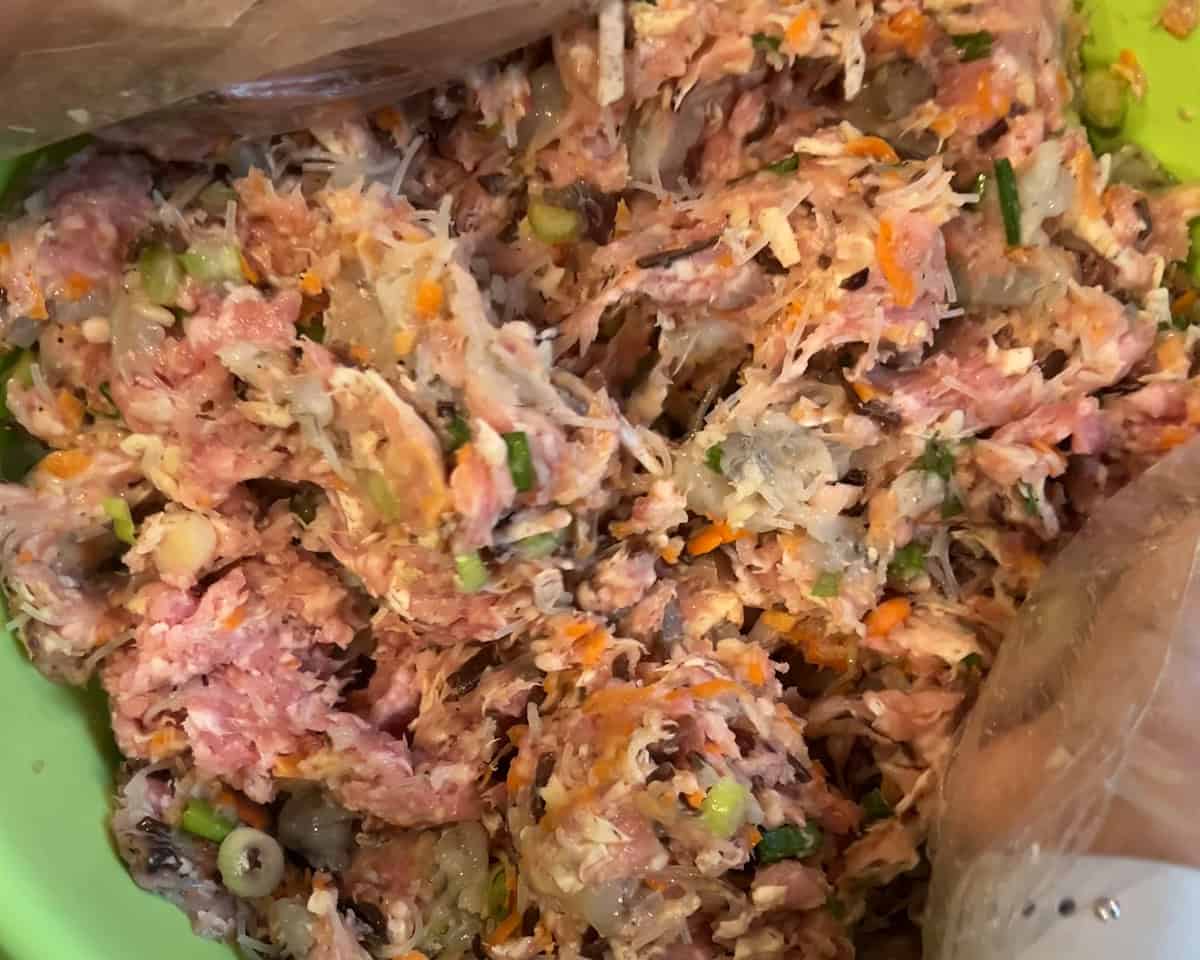
Step 4: In a large bowl, add the ground pork, minced shrimp, chopped mushroom and noodles, shredded taro, carrot and jicama, minced shallot and garlic, sugar, salt, black pepper, sesame oil, fish sauce, corn starch and msg. Mix thoroughly with your hands.
🔪 Wrapping and frying chả giò
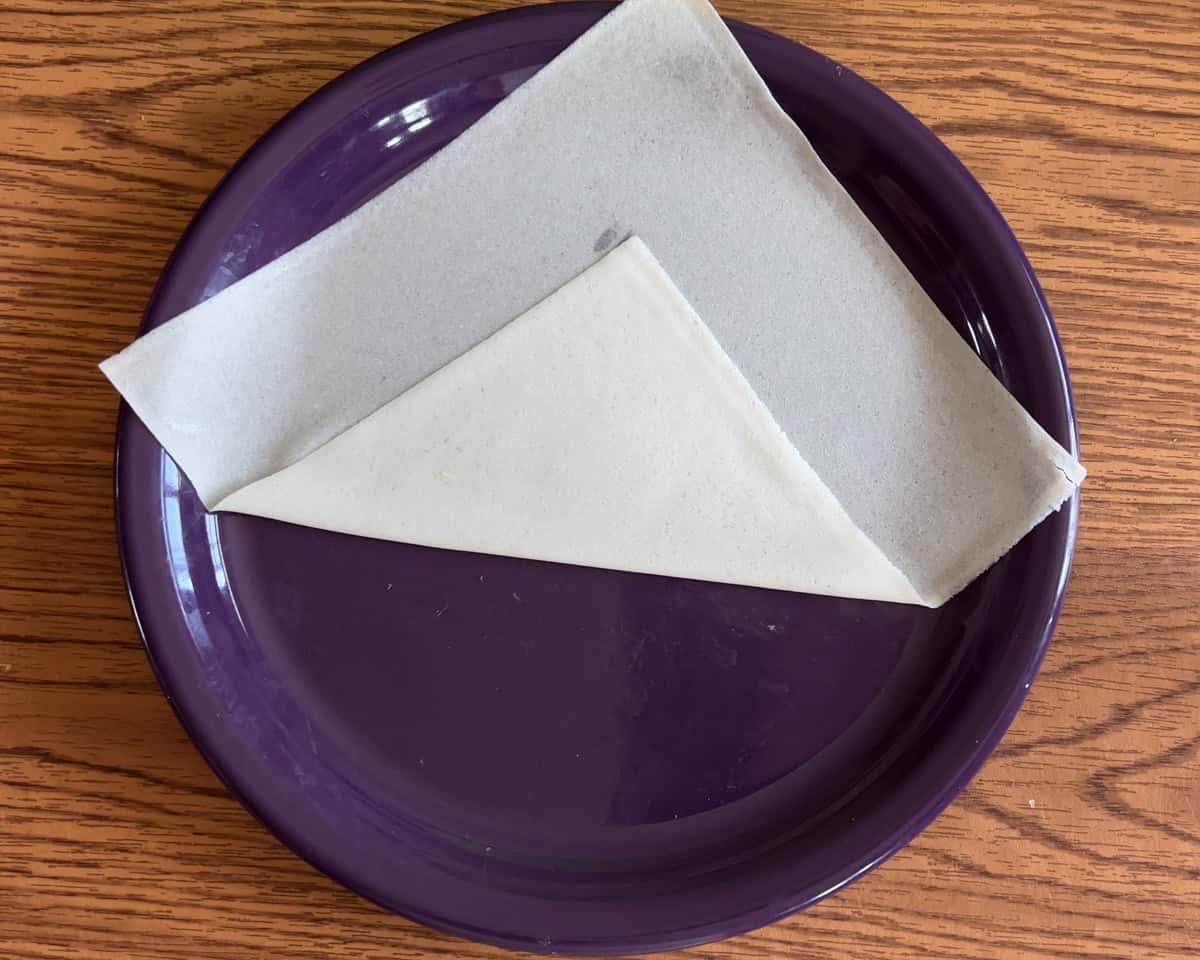
Step 5: Place the egg roll wrapper on your plate with one corner facing you. Fold the corner closest to you about one third of the way up toward the opposite corner.
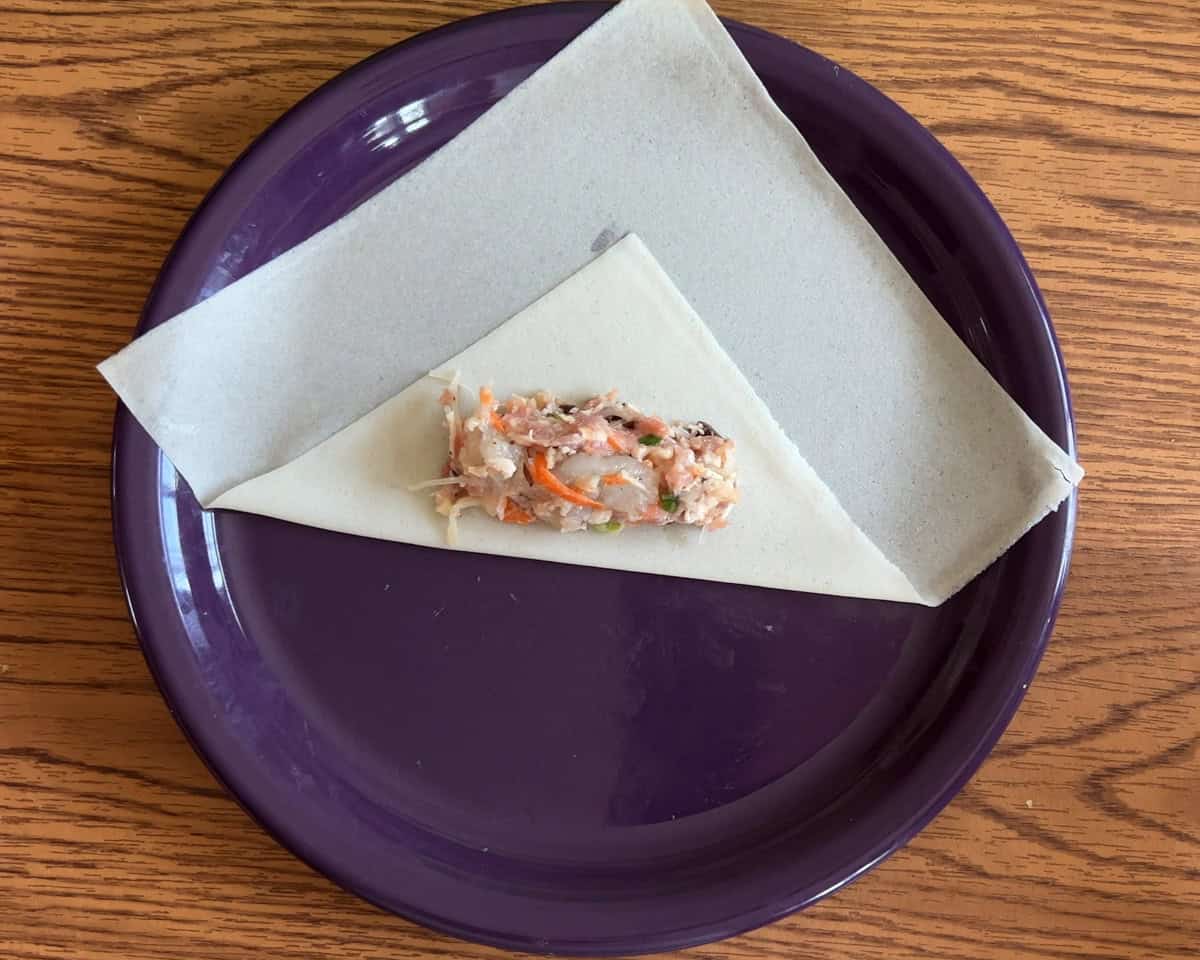
Step 6: Add a small amount of the meat filling to the bottom of the wrapper, on the part you just folded. Shape the filling into a thin log.
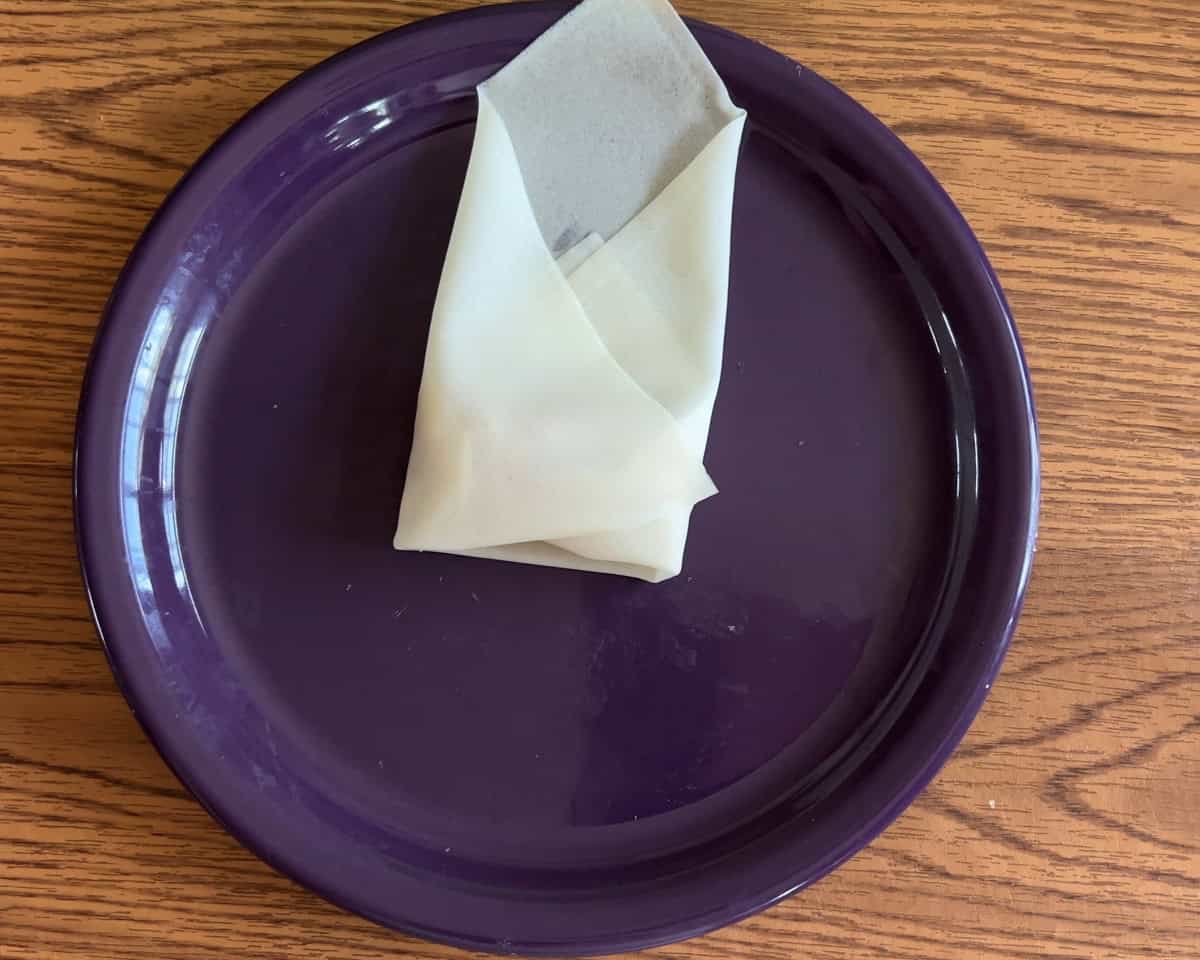
Step 7: Fold the left and right corners of the wrapper toward the center, so that the entire package looks like an open envelope.
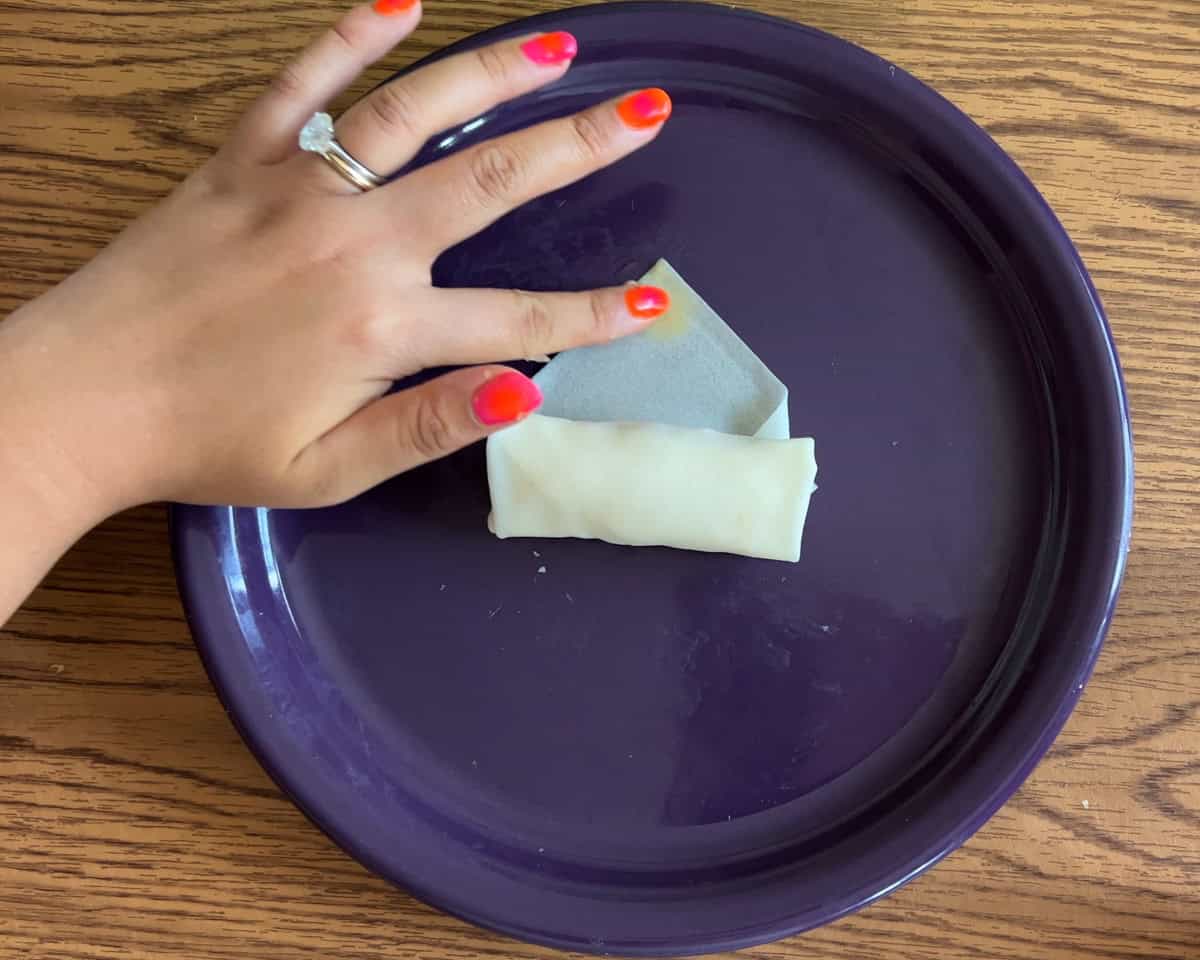
Step 8: Roll the filling tightly upward toward the top corner of the wrapper. Dab a bit of beaten egg onto the top corner of the wrapper. This will act as a glue to keep the whole thing together.
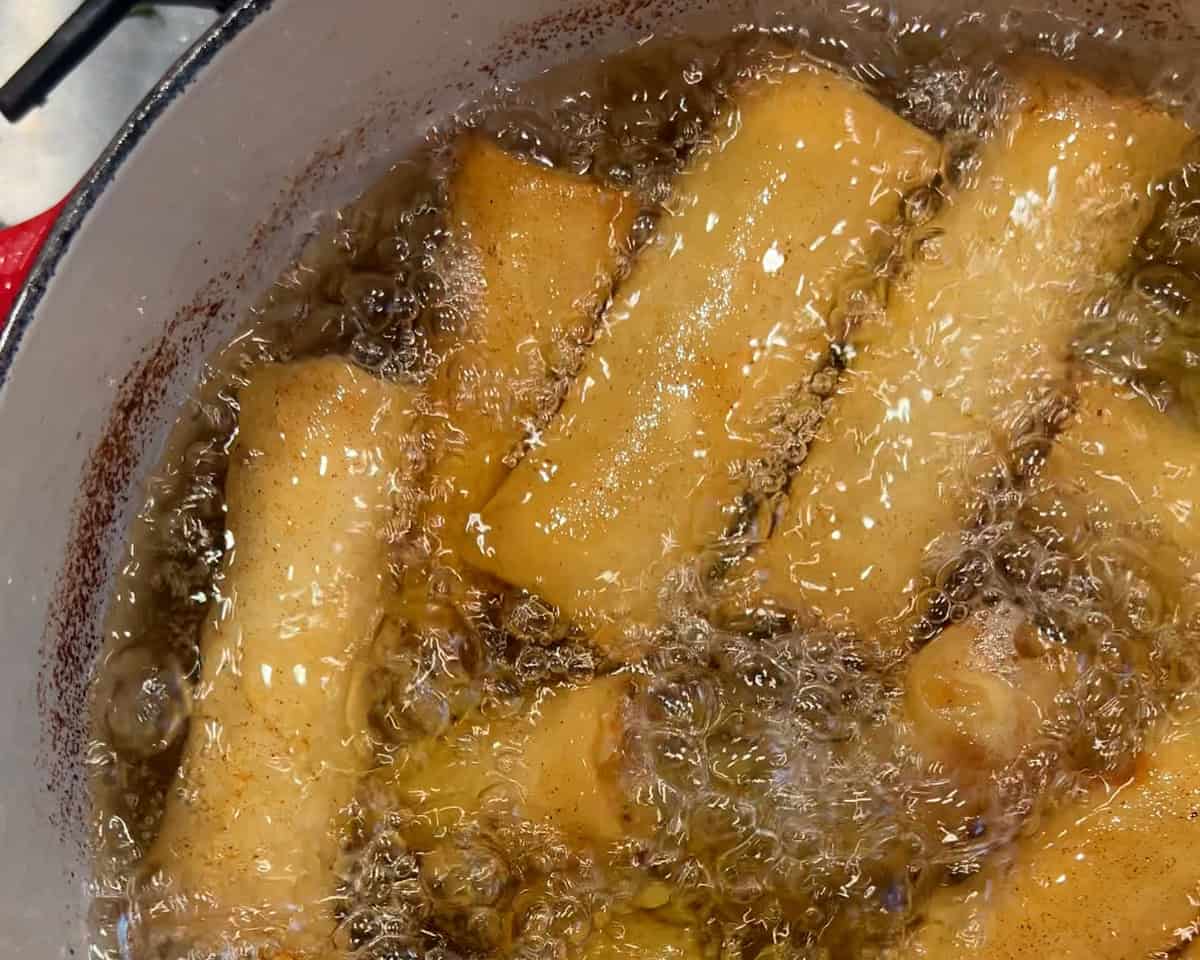
Step 9: Heat a pot of oil to 350° F. Use a large enough pot and enough oil to fully submerge the amount of egg rolls you want to cook. Fry them in batched until they are golden brown. Drain them on a wire rack or paper towel before serving.
Hint: Use an 80/20 ground pork for the juiciest egg rolls.
💭 Substitutions
- Ground pork —If you don't eat pork, you can use ground chicken instead. The filling will be a bit drier.
- Shrimp - Substitute all of the shrimp for the ground meat of your choice (pork or chicken recommended)
- Jicama - Water chestnuts are a good substitute for jicama. Mince them finely instead of shredding.
- Taro - You can replace the taro with an equal amount of jicama, carrot or a combination of both.
- Fish sauce - Use a vegetarian fish sauce. I don't recommend substituting this with soy sauce, as the flavor won't be the same.
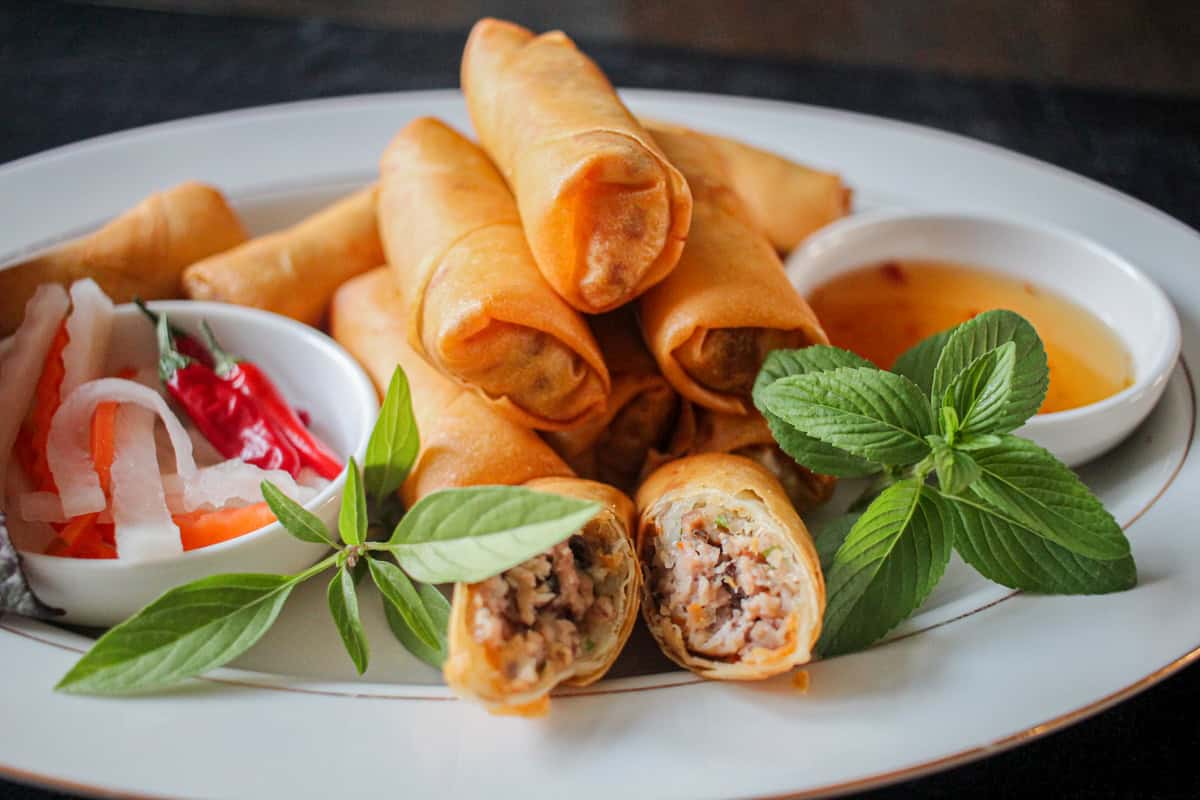
I have not tested any gluten-free substitutes for the spring roll wrappers. If you can't have gluten or wheat, I recommend using a recipe that uses rice paper wrappers, like this one by Serious Eats.
💭 Equipment
I use a food processor with the medium shredding attachment to quickly shred my carrot, jicama and taro. You can also use a mandolin. You want medium to large shreds.
Use a tea towel to wring all of the moisture out of your vegetables.
I like to fry my egg rolls in a large dutch oven. I use an instant-read thermometer to keep an eye on the temperature. If you have a deep fryer, that would obviously work better!
👪 Serving size suggestions and storage
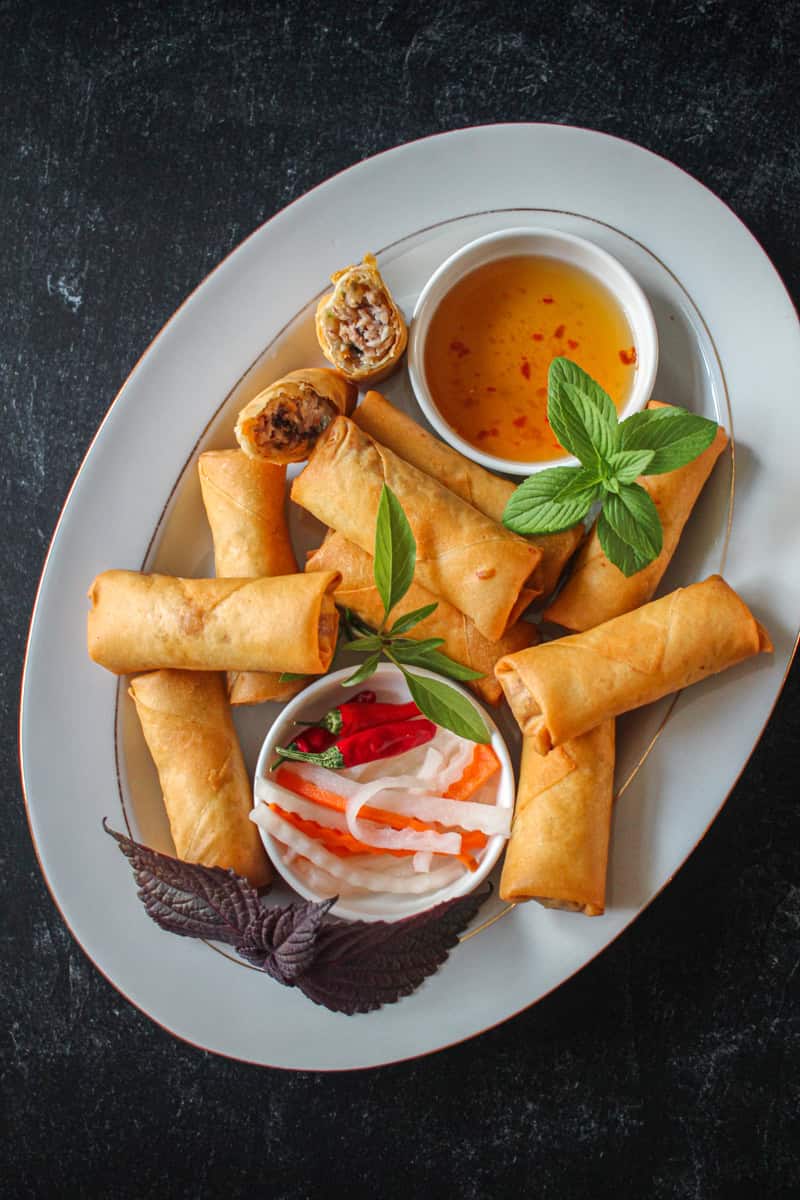
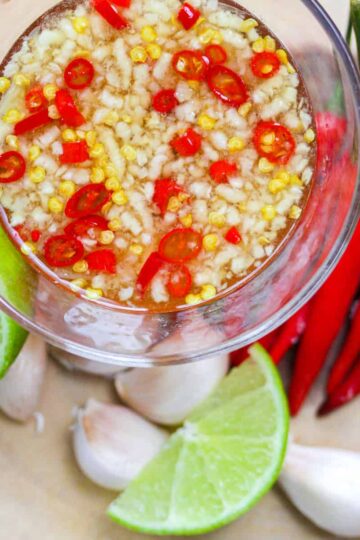
Vietnamese egg rolls are typically eaten wrapped in lettuce and dipped into nước mắm pha (fish sauce dipping sauce). You can also serve them as a noodle bowl, with lettuce, mint, Thai basil, perilla leaves, cucumber, bean sprouts, roasted peanuts, scallion oil and nước mắm pha.
This recipe makes 100 egg rolls. I usually plan for 2-3 egg rolls per person as an appetizer or 4-5 egg rolls per person as a meal. You can easily divide this recipe in half and make about 50 egg rolls.
You can freeze the uncooked egg rolls for about six months. They've never lasted longer than that in my household, though I'm sure if you take care to get all the air out of the bag you store them in, they would last longer.
Store unused filling in an airtight container in the freezer for about three months.
Keep cooked egg rolls in an airtight container in the fridge for up to three days. They can be reheated in a toaster oven, air fryer or convection oven.
✏️ Top Tip
Take care to wring as much moisture out of the vegetables as you can! This will prevent the filling from being overly watery, which can cause the egg rolls to explode when you fry them. The corn starch also helps control the moisture of the filling.
❓ FAQ
Keep your oil between 325° and 375° Fahrenheit.
I can fit about 25 chả giò in a gallon-sized Ziploc bag. Freeze these and cook them straight from frozen when you're ready to eat them.
Make sure your oil is clean and that you've wrung out as much moisture as possible from the jicama and other vegetables. Particulates in your oil or too much moisture in your egg roll can cause dark spots when frying.
Related
Looking for other recipes like this? Try these:
Pairing
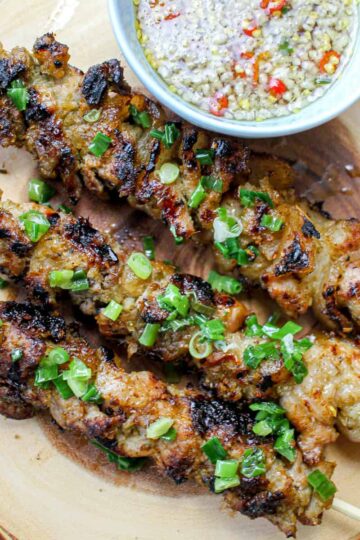
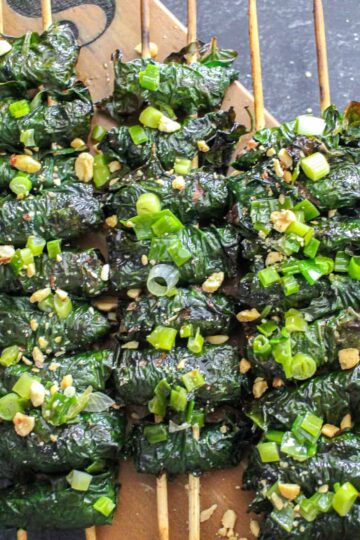
These are my favorite dishes to serve with chả giò. Try the lemongrass pork recipe for bún thịt nướng chả giò, or grilled pork and egg roll noodle bowls. Dress the noodles with my nước mắm pha (fish sauce dipping sauce) recipe.
Vietnamese Egg Rolls (Chả Giò)
Equipment
- 1 instant read thermometer
Ingredients
- 4 packages Spring Home brand spring roll pastry 8x8 inches
Filling
- 4 lbs ground pork
- 2 lbs shrimp, peeled and deveined
- 1 oz dried wood ear mushroom about 1 heaping cup
- 3 oz bean thread noodles
- 1 bunch scallion, chopped
- ½ lb peeled and shredded taro
- ½ lb peeled and shredded carrot
- ½ lb peeled and shredded jicama
- 2 shallots, minced
- 1 head garlic, peeled and minced
- 1 tablespoon sugar
- 2 teaspoon black pepper
- 1 tablespoon sesame oil
- ½ tablespoon salt
- 3 tablespoon fish sauce
- 4 tablespoon corn starch
- ½ teaspoon MSG optional
For sealing the wrappers
- 1 egg beaten
Sides and dips (optional)
Instructions
Making the filling
- Soak the bean thread noodles and wood ear mushrooms in boiling water until softened, about 1 minute. Drain well. Chop the bean thread noodles into ½ inch pieces and mince the mushrooms.
- Peel and shred the jicama. Add it to a cloth towel and wring out as much moisture as you can. Do the same for the carrot. Then shred the taro, but don't wring it out. Chop the ends off of the scallions and finely chop them.
- Use your hands to squish the shrimp until its flesh bursts. Mince the shrimp finely, until it resembles a course paste.
- In a large bowl, add the ground pork, minced shrimp, chopped mushrooms and bead thread noodles, chopped scallions, shredded taro, carrot and jicama, minced shallot and garlic, sugar, black pepper, sesame oil, salt, fish sauce and corn starch. Add the msg if you're using it.
- Mix all of the ingredients together. It's easiest to do this with your hands, so you can feel how well the ingredients have incorporated.
- Take a bite-sized amount of the filling and microwave it for 10-15 seconds until it's fully cooked. Taste it, and season with more salt, pepper, sugar or fish sauce to taste. These shouldn't be overly salty, because you will dip them in fish sauce dipping sauce or sweet chili sauce.
- Beat one egg and set it aside to seal the egg rolls.
Wrapping the Chả Giò (See photo instructions above)
- Place an egg roll wrapper onto a plate with one corner facing you. Fold the corner closesto you about one thirdf of the way up toward the opposite corner.
- Add a small amount of the meat filling to the bottom of the wrapper, on the part you just folded. Shape the filling into a thin, even log.
- Fold the left and right corners of the wrapper toward the center, so that the entire package looks like an opened envelope.
- Roll the filling tightly upward. Once you get to the top corner of the wrapper, use your finger to dab a bit of egg onto the wrapper to seal it.
Cooking or Freezing the Chả Giò
- Heat oil to 350℉ and fry until golden brown and fully cooked inside. It will take about 10-15 minutes per batch, depending. on whether you're cooking them fresh or frozen, and how stable your oil temperature is. Don't crowd your pot, or you risk lowering the temperature of the oil. Egg rolls are cooked when they float and turn a golden brown color.
- To freeze, layer the egg rolls snugly in a plastic bag. I can fit about 25 in a gallon-sized bag, in two layers. Remove as much air as you can from the bag before sealing.
Notes
- Nutrition facts are estimated based on available ingredients and preparation. It should not be considered a substitute for a professional nutritionist’s advice. Calories were calculated before frying, and do not take into account the amount of oil absorbed in the process, as it will vary depending on cook time and temp.
- This recipe was tested with U.S. customary measurements. Metric measurements are automatically generated and may not be 100% accurate.
Nutrition
Did you make this recipe? Please tag @BunBoBaeBlog on Instagram or leave a rating or comment on the blog!
Anonymous says
Thank you for this recipe!!
laurence kerr says
what is the best way to reheat frozen egg rolls?
Suzanne Nuyen says
If you want them to retain their crispiness, I would reheat them in the oven (preferably using the convection setting if you have it) at 325°F until warm. You can also use your air fryer. You can also microwave them, but they will no longer be crispy if you do this.